
Professional Van Builders Use This Simple Spacer Trick
Published by VWD on Mar 13th 2026
Van Windows Direct Blog
Why Rubber Spacers Are Not Required for Van Window Installation, But Every Great Installer Should Be Using Them
A tiny 3 mm rubber bumper can protect glass, improve spacing, support a cleaner fit, and help extend the life of your van window installation. Professional builders know the value of small details. DIY installers can benefit just as much.
The Small Detail That Makes a Big Difference
Van window installation is one of those jobs where the smallest detail can change everything. Rubber spacers are not technically required, but they are one of the smartest additions an installer can make. They help create separation, reduce stress, support proper adhesive thickness, and protect the glass from hard contact with the body. That means better fitment, better durability, and a better installation overall.
The Truth About Rubber Spacers in Van Window Installation
In the world of van window installation, there are a lot of details that separate an average job from a professional one. Urethane selection matters. Surface prep matters. Primer use matters. Placement matters. Pressure matters. Cure time matters. Then there are the little things many installers overlook because they seem too small to matter.
Rubber spacers fall into that category.
They are small. They are simple. They are inexpensive. They are not always required. But they can have a huge impact on the quality and longevity of a finished window install.
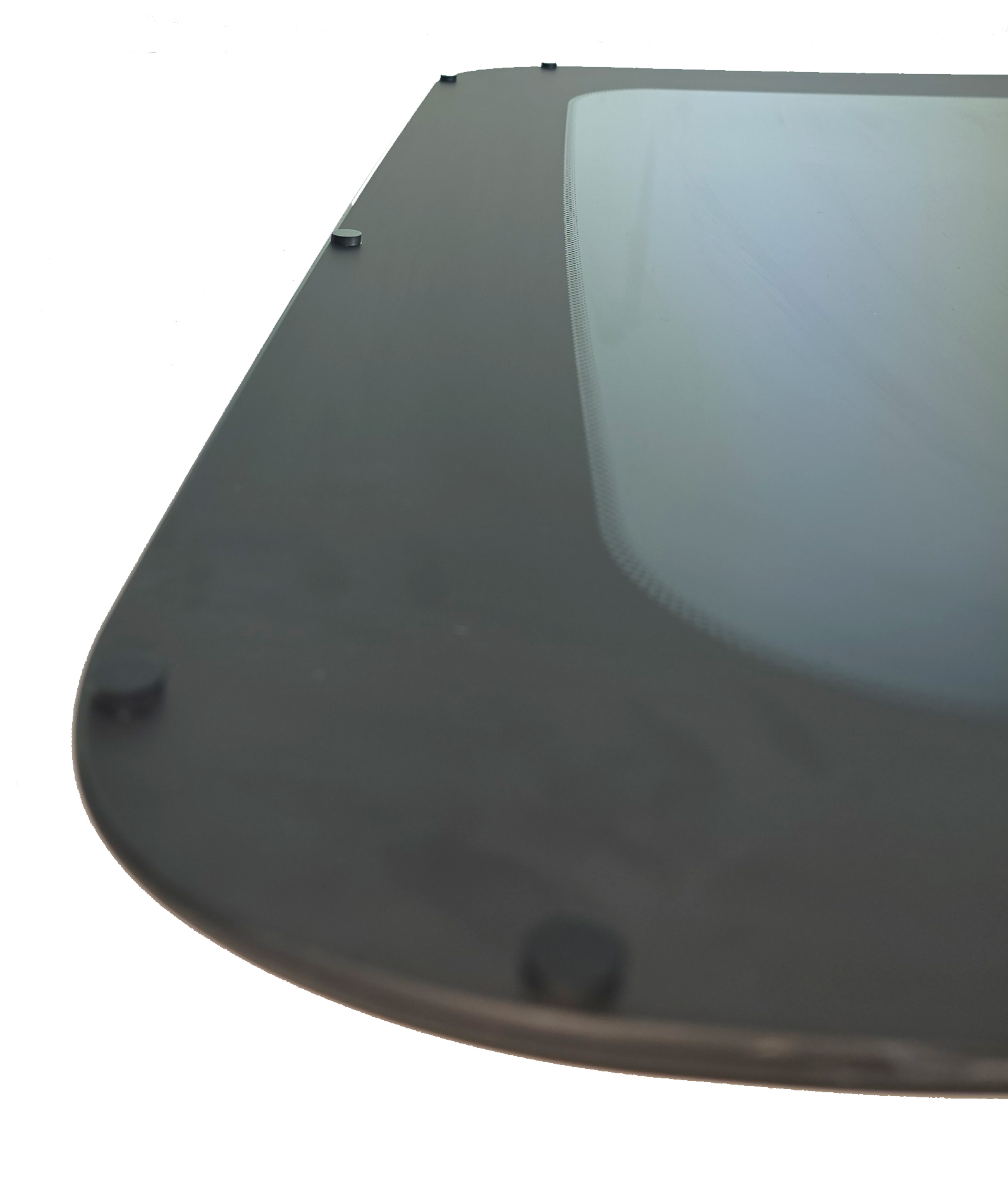
A basic rubber bumper that is only 3 mm tall can protect the glass from touching metal, provide controlled spacing, support proper urethane thickness, improve alignment, and reduce long-term stress on the window. That is a lot of benefit from one very simple component.
At Van Windows Direct, we know great window performance does not come from the glass alone. It comes from the entire installation process. Rubber spacers are one of those small upgrades that can make a very real difference for both professional installers and DIY van builders.
Are Rubber Spacers Necessary?
Let’s start with the honest answer.
No, rubber spacers are not strictly necessary to install a van window.
Plenty of van windows have been installed without them. A skilled installer can absolutely complete a successful install using proper urethane, correct prep methods, and careful placement. But that does not mean spacers are unnecessary in the broader sense. It simply means the window can be installed without them.
The better question is this. If something small, low-cost, and easy to use can help protect the glass and improve installation quality, why would you skip it?
Protects Glass
Helps prevent hard contact between the glass and the van body.
Controls Spacing
Creates a more consistent gap for better urethane performance.
Improves Fit
Supports better positioning and a cleaner final appearance.
Adds Longevity
Reduces stress points that can shorten window life.
Why a 3 mm Rubber Bumper Makes So Much Sense
Three millimeters does not sound like much. That is exactly why it works so well.
A 3 mm rubber spacer is tall enough to create important separation between the glass and the body, but small enough that it does not create an awkward gap or interfere with the install. It gives the installer a subtle buffer. That buffer acts like insurance during the install and support after the install.
In a bonded camper van window install, proper spacing matters because urethane is designed to perform best when there is enough material between the glass and the body. If the glass is pressed too tight to the metal, the adhesive layer can become too thin in key areas. That weakens the overall install and can introduce pressure points.
How Rubber Spacers Help Protect the Glass
The glass edge is one of the most vulnerable parts of any van window. It does not take a huge amount of force to create a stress point if the edge is pressed against metal or loaded unevenly during installation.
1. They Help Prevent Glass-to-Metal Contact
This is one of the biggest reasons to use them. If the glass comes into direct contact with the vehicle body, you are inviting unnecessary stress. It may not crack immediately. It may look fine on day one. But vibrations, flex, temperature change, and road movement can all turn that hidden contact point into a future failure.
A small rubber bumper helps ensure the glass remains separated from the body where it should be. That alone makes it worthwhile.
2. They Reduce Edge Pressure During Installation
When installers press the window into place, it is easy to apply slightly more force in one area than another. If there is no controlled stop point, the window can get pushed inward too far at one edge or one corner. Rubber spacers create a buffer and help limit over-compression in those critical spots.
3. They Help Absorb Minor Movement
Vans flex. That is normal. Whether it is a Sprinter van window installation, a Ford Transit window installation, or a ProMaster van window install, the body will move over time. A properly bonded window with correct spacing is far better equipped to handle those movements without transferring unnecessary force into the glass.
Why Spacing Is So Important for Urethane Performance
Urethane adhesive is not just glue. It is part of the engineered structure of the install. It needs enough thickness to bond properly and enough consistency to spread loads across the bonded area.
If one part of the window is pressed too tight, that area may end up with insufficient urethane thickness. That creates an imbalance. Instead of the load being distributed evenly through the adhesive, certain points take more stress than they should.
Rubber spacers help create a more controlled, repeatable gap. That means the urethane bead can do its job the way it was intended to do it.
What better spacing supports
- More consistent adhesive thickness
- Better bonding performance
- Reduced risk of pressure points
- Improved durability over time
- Cleaner and more controlled placement
Better Fitment. Better Appearance. Better Results.
Installers often talk about fitment like it is only about the window shape. That is only part of the story.
The quality of the installation has a major effect on how the finished window looks. Even a well-made window can look less refined if it is installed too deep, too shallow, slightly off balance, or with inconsistent reveal around the perimeter.
Rubber spacers help installers maintain more consistent placement. They can help support the glass at the intended depth and reduce the chances of one side settling lower or pressing in more than the other.
That leads to a cleaner final appearance, especially on premium builds where every detail matters.
Why Every Professional Installer Should Be Using Them
Professionals are judged by consistency. One clean install is good. Repeating clean installs over and over again is what defines a real professional.
Rubber spacers support that consistency. They help make the process more controlled. They add a layer of protection. They improve repeatability. They reduce the chances of subtle installation issues that may not show up until much later.
No serious installer should ignore simple steps that improve quality. Especially when the cost is so low and the upside is so strong.
If you are installing van windows for customers, rubber spacers should be viewed as a professional best practice. Not because they are mandatory, but because they help deliver a better result.
Professionals benefit from rubber spacers because they help with:
- Controlled glass depth
- Reduced breakage risk during install
- Improved adhesive consistency
- Cleaner visual fitment
- Less risk of long-term stress cracking
- More repeatable, process-driven installs
Why DIY Builders Should Use Rubber Spacers Too
DIY builders have even more reason to use them.
Most DIY van builders are not installing windows every day. Even if they are careful, they do not have the same repetition or muscle memory as a shop that does installs constantly. Rubber spacers help simplify part of the process by adding a physical buffer and giving the installer more confidence during placement.
For a DIY builder, a tiny spacer can help reduce one of the biggest fears in a bonded glass install: pushing the glass too far or creating an unseen stress point.
DIY benefits
- Easier window positioning
- Less chance of over-pressing the glass
- More consistent adhesive gap
- Added peace of mind during install
- Better odds of a clean, long-lasting result
How Rubber Spacers Support Window Longevity
Longevity in a bonded window installation is not just about whether the glass stays in place. It is about how the entire system performs over time.
Good longevity means the window remains secure, stress free, visually clean, and weather resistant through years of movement, heat cycles, cold cycles, road vibrations, and everyday use.
Rubber spacers can contribute to that longevity by helping create the right conditions from the beginning. They help protect the edge. They help maintain adhesive thickness. They help keep the glass from bottoming out on the body. They help support a more consistent install.
That is the key point. You are not using them because they look fancy. You are using them because they improve the install in practical ways that matter.
Common Installation Problems Rubber Spacers Can Help Prevent
Glass pressed too tightly into the opening
Without a controlled stop point, installers can accidentally set the glass too tight to the body. That is where problems begin.
Uneven urethane thickness
One side may have plenty of adhesive while another gets compressed too much. Rubber spacers help reduce that inconsistency.
Poor visual alignment
Small changes in depth can affect the final look. Spacers help support more intentional placement.
Long-term vibration stress
A window that is too close to the body may be more vulnerable to damage from regular vehicle flex and road vibration. Controlled spacing helps reduce that risk.
Where Rubber Spacers Are Commonly Placed
Placement varies by installer, by window shape, and by vehicle. In many cases, spacers are placed strategically along the lower portion of the opening and in areas where support and controlled spacing are most beneficial.
The goal is not to stuff spacers everywhere. The goal is to use them thoughtfully where they help maintain position and separation.
The bottom edge is especially important because that is where gravity can influence positioning while the urethane is settling and curing.
A Better Window Deserves a Better Installation
If you are using a premium van window, you should install it like one.
At Van Windows Direct, we offer windows for the most popular van platforms and layouts, including:
Sliding Van Windows
Fresh air, clean style, and a versatile option for many builds.
Awning Van Windows
Ventilation, clean looks, and smart functionality for premium van conversions.
Fixed Glass Van Windows
A sleek all-glass look with reliable fitment for modern van builds.
Bunk Van Windows
Ideal for maximizing light and ventilation in bed and bunk areas.
You can also shop by platform:
When you start with a well-designed window and pair it with disciplined installation practices, the result is a stronger, cleaner, longer-lasting install. Rubber spacers fit perfectly into that philosophy.
Small Detail. Big Upgrade.
A lot of van conversion upgrades are expensive. This is not one of them.
Rubber spacers are one of the simplest installation improvements available. They cost very little. They take almost no time to use. They can help protect an investment that matters a lot more than they do.
That is why they are such a smart move. High value. Low effort. Real benefit.
Final Thoughts
Rubber spacers are not required for van window installation. But they are absolutely beneficial.
A simple 3 mm rubber bumper can help protect the glass, maintain spacing, support proper urethane thickness, improve visual fitment, and promote better long-term performance. That is exactly the kind of small detail that separates a rushed install from a thoughtful one.
Professionals should be using them because they improve process control and installation quality. DIY builders should be using them because they make a challenging job safer and more forgiving.
If your goal is to install van windows the right way, rubber spacers deserve a place in the process.
Ready to upgrade your install? Click here to purchase Van Window Spacers and give your van window installation better spacing, added glass protection, and a cleaner, more professional fit.
Upgrade Your Build with Van Windows Direct
Shop premium van windows built for serious van conversions. Explore sliding windows, awning windows, fixed glass, and bunk windows designed for Sprinter, Transit, and ProMaster vans.